
Ambulance staff urged to say no | SMH
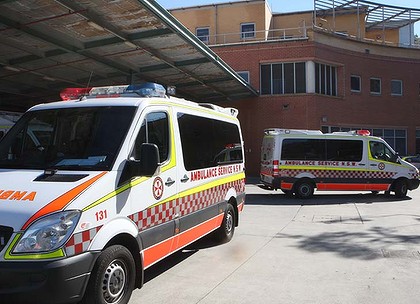
Under a secret policy, Ambulance Service of NSW managers have ordered regular reports on workers’ cancellation rates, pressuring them to persuade some patients whose ambulance request has already been logged to use private transport instead.
The policy applies to calls initially deemed less urgent – more than 3500 a month in the Sydney region – which are then directed to a registered nurse for further medical advice. An ambulance is still dispatched in such cases and can only be cancelled with the caller’s permission.
Advertisement: Story continues below
But in an August letter, an operations manager told staff at the service’s Alexandria control centre they needed to increase these cancellations.
”Our performance in achieving a non-ambulance response (cancellations) has deteriorated over the past three months,” he wrote. ”Health advisers are to again focus on opportunities to achieve a non-ambulance response where appropriate.”
The manager said it was ”important … to continue to demonstrate [the unit’s] role in managing demand on ambulance resources.”
If a crew was far from the caller’s address, operators should make a return telephone call to, ”again take the opportunity to advise caller of time frame for ambulance response and suggest an alternative”.
Patients stood to benefit, he said, if there was ”an ambulance able to respond to them because the [unit] has been able to cancel a response!”
But the public has never been informed of the cancellation agenda, which experts yesterday criticised as unsafe.
Merrilyn Walton, professor of medical education (patient safety) at the University of Sydney, said a caller’s description of symptoms would depend ”on the person’s literacy, language, culture and state of mind,” and it was dangerous to dismiss them. ”People don’t make a 000 call lightly,” she said.
Stating that ambulances should only be cancelled ”where appropriate” did not neutralise the message that more paramedic crews should be called off. ”It’s like a product, where you have to increase your sales,” said Professor Walton. ”It’s totally inappropriate for healthcare.” Nurses who took such calls, ”have got ethical responsibilities and professional duties, and the patients’ interests must always come first”.
Read more: http://www.smh.com.au/national/health/ambulance-staff-urged-to-say-no-2011112…

 Darin Sullivan